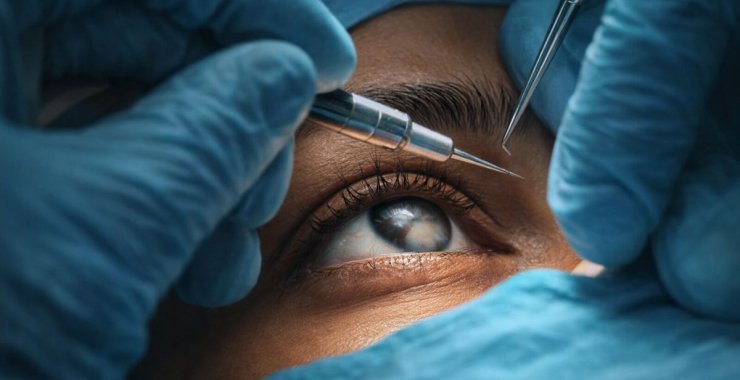
Cataract surgery is one of the most common and successful procedures performed today. For many in Mumbai, it represents a chance to regain clear vision and improve their quality of life. However, the decisions you make before the surgery, particularly regarding the type of lens implant, can significantly affect your eyesight for decades. This is not just about removing a cataract; it is about choosing how you want to see the world for the next 20 years and beyond.
Choosing the right lens is a crucial part of the process. It determines your need for glasses after the procedure and impacts your ability to see clearly at different distances. This guide will walk you through everything you need to know about cataract surgery in Mumbai, from the available treatments to how lens choice affects your long-term vision.
Understanding Cataract Surgery
A cataract is a clouding of the eye’s natural lens, which lies behind the iris and the pupil. As the lens becomes cloudy, light cannot pass through it easily, leading to blurry or dim vision. The only effective treatment for cataracts is surgery.
During the procedure, the surgeon removes the clouded natural lens and replaces it with a clear, artificial one called an intraocular lens (IOL). This restores clear vision and can even correct other vision problems like nearsightedness or farsightedness. Modern cataract surgery is a safe, quick, and highly effective outpatient procedure.
Types of Cataract Treatment Available in Mumbai
Advancements in technology have led to several effective techniques for cataract removal. The best cataract surgery for you depends on your eye health, the severity of the cataract, and your lifestyle.
- Phacoemulsification: This is the most common method. The surgeon makes a tiny incision on the side of the cornea and inserts a small probe. This probe uses ultrasound waves to break up the cloudy lens into small pieces, which are then gently suctioned out. A foldable IOL is then inserted through the same small incision.
- Micro-Incision Cataract Surgery (MICS): This is an advanced version of phacoemulsification that uses an even smaller incision (less than 2.2mm). The smaller entry point reduces the risk of complications, promotes faster healing, and provides excellent visual outcomes.
- Femtosecond Laser-Assisted Cataract Surgery (FLACS): This blade-free technique uses a computer-guided laser to perform several key steps of the surgery with incredible precision. The laser creates the incision, opens the lens capsule, and softens the cataract, making its removal easier and safer.
The Role of Lens Choice in Long-Term Vision
The intraocular lens (IOL) you choose is a permanent fixture in your eye. This makes the decision incredibly important for your long term vision after cataract surgery. A common question patients ask is, “how long does cataract surgery lens last?” The good news is that IOLs are made from a durable, biocompatible material designed to last a lifetime. They do not degrade or require replacement.
Therefore, the choice of a cataract surgery lens for the next 20 years is about selecting the type of vision you want. Do you want to be free from glasses for most activities, or are you comfortable wearing them for reading? Your lifestyle and visual preferences will guide this decision.
Monofocal vs Multifocal Lens: A Detailed Comparison
Understanding the differences between IOLs is key to knowing how lens choice affects vision after cataract surgery. The two most common types are monofocal and multifocal lenses.
Monofocal Lenses
A monofocal lens is the standard IOL used in cataract surgery. As the name suggests, it has a single focal point. This means it can correct your vision for one distance either near, intermediate, or far. Most people opt to have their monofocal lenses set for distance vision, allowing them to see clearly while driving or watching TV. However, they will still need reading glasses for close-up tasks like reading a book or using a phone.
- Pros: Provides excellent, crisp vision at a single distance. Typically covered by most insurance plans.
- Cons: Requires glasses for other distances.
Multifocal Lenses
Multifocal lenses are a premium option designed to provide clear vision at multiple distances near, intermediate, and far. They work using concentric rings that divide light, allowing your brain to automatically select the right focus for the task at hand. This design helps many people reduce or even eliminate their dependence on glasses after surgery.
- Pros: Offers greater freedom from glasses for a wide range of activities.
- Cons: Can sometimes cause glare or halos around lights, especially at night. The brain may need a few weeks to adapt. These lenses often have a higher out-of-pocket cost.
Ultimately, the choice between a monofocal vs multifocal lens depends on your personal goals. Discussing your daily activities and vision expectations with your eye doctor will help you make the best choice.
Cataract Surgery Cost in Mumbai
The cataract surgery cost in Mumbai can vary widely. It depends on several factors, including the type of surgical technique (laser vs. traditional), the choice of IOL (monofocal vs. multifocal or other premium lenses like toric IOLs for astigmatism), and the hospital’s reputation and facilities.
While standard surgery with a monofocal lens is often more affordable and may be covered by insurance, premium procedures with advanced lenses involve an additional cost. It is important to view this as an investment in your long-term vision and quality of life. Many top eye hospitals offer financing options to make these advanced technologies more accessible.
Why Choose Agi Healthcare?
When looking for the best cataract surgery in Mumbai, it is vital to choose a provider you can trust. Agi Healthcare is a leading top eye hospital for cataract surgery in Mumbai, committed to providing personalized care and excellent outcomes.
Our team includes some of the best eye doctors for cataract in Mumbai, who use the latest diagnostic tools and surgical technologies. We believe in a patient-first approach, taking the time to understand your needs and guide you through every step of the process. From your initial consultation to your post-operative care, we ensure you are informed and comfortable. At Agi Healthcare, we don’t just restore sight; we enhance your quality of life.
Frequently Asked Questions (FAQs)
- When should I have cataract surgery?
You should consider surgery when cataracts begin to interfere with your daily life. If activities like reading, driving, or recognizing faces become difficult, it’s time to consult an ophthalmologist.
- Is cataract surgery painful?
No, cataract surgery is not painful. Your eye will be numbed with anesthetic eye drops, so you will feel little to no discomfort during the brief procedure.
- How long is the recovery period after cataract surgery?
Recovery is usually quick. Most people notice improved vision within 24 to 48 hours. You can typically resume normal, non-strenuous activities within a few days, but you will need to use prescribed eye drops for several weeks to aid healing.
- Will I need glasses after cataract surgery?
This depends on the type of IOL you choose. With a standard monofocal lens, you will likely need glasses for reading or distance vision. With a premium multifocal lens, you may be able to live without glasses for most of your daily activities.